Revolutionizing Woodworking
In the modern manufacturing landscape, precision and efficiency are not just goals—they are requirements. For furniture makers, sign shops, and industrial woodworkers, the transition from manual tools to automated solutions is a game-changer. Enter the Wood CNC Router.
But what exactly is this machine, and why is it becoming the standard in workshops globally? A Wood CNC (Computer Numerical Control) Router is an automated machine used to cut, carve, and drill wood with computer-controlled precision. Unlike handheld routers, these machines execute complex designs based on digital files (CAD/CAM), eliminating human error.
In this guide, we will dive deep into the functions and unmatched advantages of integrating a Wood CNC Router into your production line.
Core Functions: What Can a Wood CNC Router Do?
A Wood CNC Router is incredibly versatile. It is not limited to a single task; rather, it is a multi-functional powerhouse. Here are its primary capabilities:
1. Precision Cutting
The most basic yet essential function is cutting. whether you are working with plywood, MDF, solid wood, or particleboard, a CNC router can cut complex shapes with an accuracy of up to 0.01mm. This is ideal for cutting out parts for cabinetry or furniture frames.
2. 3D Engraving and Carving
Beyond simple cutting, these machines excel at decorative work. They can perform intricate 3D relief carving, creating detailed patterns, logos, and artistic designs that would take a skilled craftsman days to complete by hand.
3. Drilling and Pocketing
For joinery and assembly, precision is key. A Wood CNC Router can drill holes of varying depths and diameters or create pockets (areas where material is removed to a specific depth) for hinges and hardware with perfect repeatability.
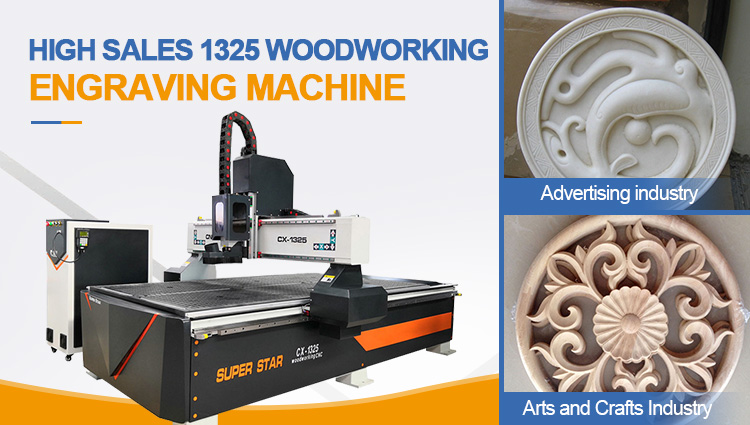
Advantages: CNC Router vs. Traditional Tools
Why should a business invest in CNC technology? Let’s compare it to traditional woodworking methods (like table saws and handheld routers).
Feature |
Traditional Woodworking |
Wood CNC Router |
Precision |
Relies on human hand/eye; prone to error. |
Computer-controlled; consistent accuracy every time. |
Speed |
Slow, manual feeding required. |
High-speed automated cutting; runs 24/7 if needed. |
Complexity |
Difficult to achieve complex curves/3D shapes. |
Can execute any design drawn in software easily. |
Safety |
Operator is close to the blade. |
Operator manages the machine from a safe distance. |
Waste |
Higher material waste due to manual errors. |
Nesting software optimizes material usage, reducing waste. |
1. Unmatched Efficiency
One of the biggest benefits is the ability to produce more in less time. Once a design file is loaded, the machine can run continuously. This allows for mass production where every piece is identical to the first.
2. Expanded Design Capabilities
With a Wood CNC Router, you are no longer limited by manual dexterity. If you can design it on a computer, the machine can cut it. This opens up new markets for custom signage, intricate furniture, and artistic wall panels.
3. Cost-Effectiveness
While the initial investment is higher than a table saw, the ROI (Return on Investment) is significant. Reduced labor costs, lower material waste, and faster turnaround times mean the machine pays for itself quickly.
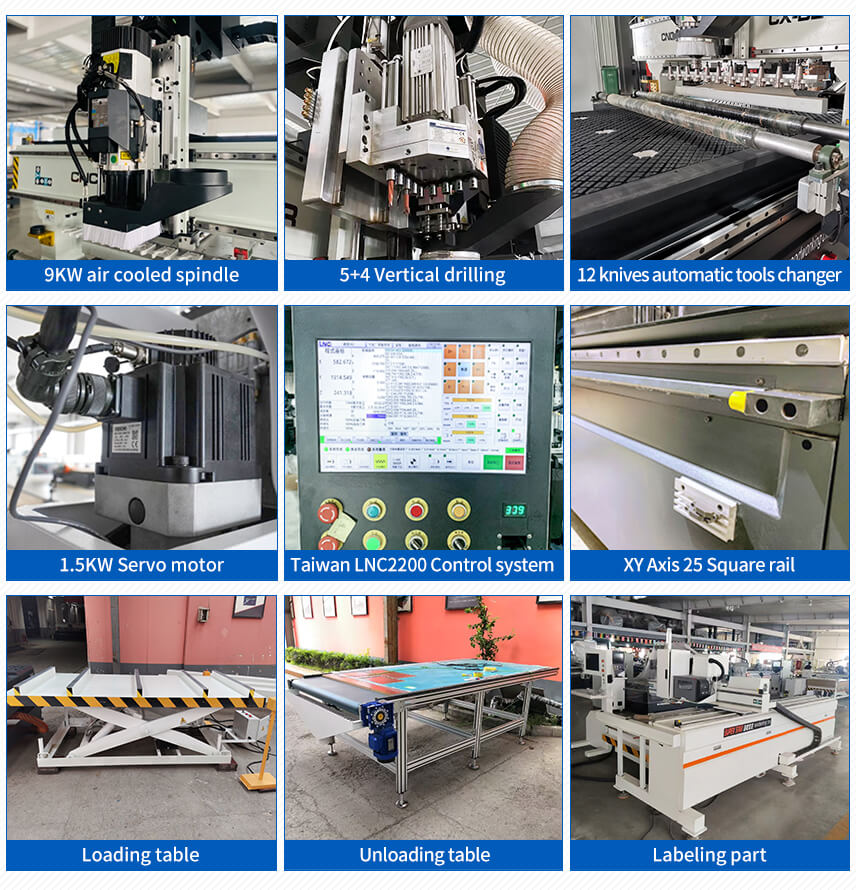
Conclusion: Elevate Your Craft
The Wood CNC Router is more than just a tool; it is a complete manufacturing solution. By combining the functions of a saw, a drill press, and a carver into one automated system, it offers a competitive edge that traditional methods simply cannot match.
Whether you are looking to scale up your furniture production or improve the quality of your custom joinery, the right machine is waiting for you.
Ready to upgrade your workshop? Explore our comprehensive range of high-performance Wood CNC Routers designed for efficiency and durability.
Frequently Asked Questions (FAQ)
To assist with your research and help our content rank for "People Also Ask" queries, here are answers to common questions.
Q1: What materials can a Wood CNC Router cut besides wood?
A: While designed for wood (hardwood, softwood, plywood, MDF), most quality Wood CNC Routers can also process soft metals like aluminum and brass, as well as plastics, acrylics, and foam, making them highly versatile.
Q2: Is it difficult to learn how to operate a CNC router?
A: There is a learning curve, primarily with the software (CAD/CAM). However, modern machines come with user-friendly interfaces. At CNCRouter.cn, we provide support to help you get started quickly.
Q3: How do I choose the right size CNC router?
A: The size depends on your typical projects. For cabinetry and large sheets, a 4x8 foot (1300x2500mm) machine is standard. For smaller crafts, a desktop model may suffice. Check our product list for various size options.
Q4: What is the maintenance like for a Wood CNC machine?
A: Regular maintenance includes cleaning dust from rails and bearings, lubricating moving parts, and checking belt tension. Keeping the machine clean ensures long-term precision and durability.

 Русский
 Español
 English
 العربية
 Français
 Português
 Deutsch
 italiano
 日本語
日本語 한국어
한국어 Nederlands
 Tiếng Việt
 ไทย
ไทย Polski
 Türkçe
 አማርኛ
አማርኛ ພາສາລາວ
 ភាសាខ្មែរ
 Bahasa Melayu
 ဗမာစာ
ဗမာစာ தமிழ்
தமிழ் Filipino
 Bahasa Indonesia
 magyar
 Română
 Čeština
 Монгол
 қазақ
қазақ Српски
 हिन्दी
 فارسی
فارسی Kiswahili
 Slovenčina
 Slovenščina
 Norsk
Norsk Svenska
 українська
 Ελληνικά
 Suomi
Suomi Հայերեն
 עברית
עברית Latine
 Dansk
Dansk اردو
اردو Shqip
Shqip বাংলা
বাংলা Hrvatski
 Afrikaans
 Gaeilge
 Eesti keel
 Māori
Māori


