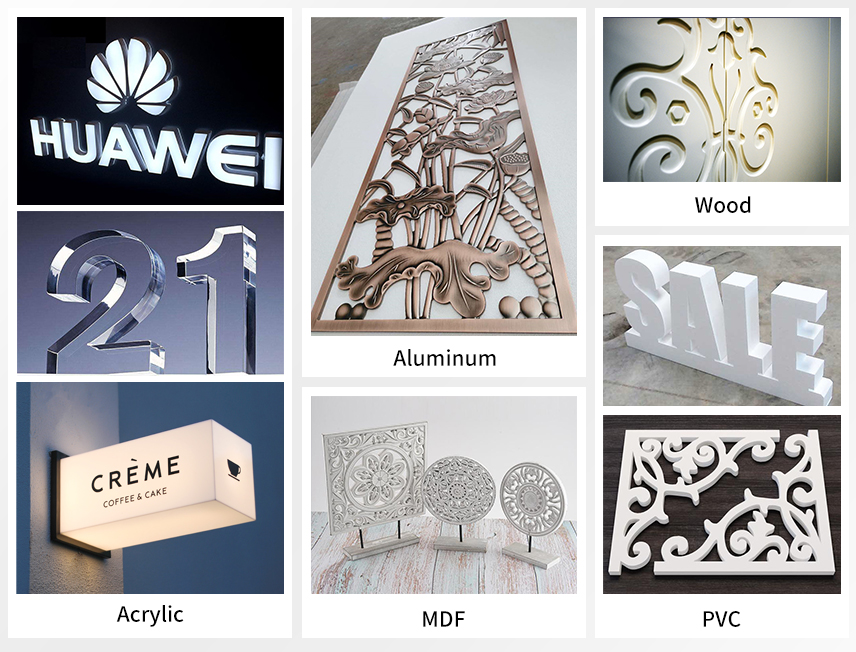
The woodworking industry is standing at a pivotal crossroads. For centuries, it was defined by manual skill and hand tools. Today, it is being redefined by data, automation, and precision engineering.
As labor costs rise and the demand for customized furniture explodes, the traditional workshop model is evolving into the "Smart Factory." At the heart of this transformation is the Wood CNC Router. No longer just a cutting tool, the modern CNC router has become the central hub of digital fabrication.
In this article, we analyze the technological evolution of these machines and predict how they will shape the future of the woodworking market.
The Evolution: From Manual Control to Intelligent Automation
To understand the future, we must look at how far we have come. Early CNC machines were expensive, difficult to program, and slow.
Present: We now see high-speed Wood CNC Routers equipped with Automatic Tool Changers (ATC), vacuum hold-down systems, and user-friendly interfaces that allow even novices to produce complex designs.
The barrier to entry has lowered, allowing small businesses to access industrial-grade technology that was previously reserved for massive factories.
Key Trends Shaping the Future of Woodworking
What does the next decade hold for CNC technology? Based on current market trajectories, three key trends are emerging:
1. Industry 4.0 and IoT Integration
The future is "connected." Modern CNC routers are beginning to integrate with the Internet of Things (IoT).
Real-time Monitoring: Factory managers can track machine status, cutting speeds, and daily output remotely via smartphones.
Predictive Maintenance: Instead of waiting for a breakdown, smart sensors will alert operators when a bearing is overheating or a bit is dull, preventing costly downtime.
2. AI-Driven Nesting and Optimization
Software is becoming as important as hardware. Artificial Intelligence (AI) is revolutionizing "nesting" (the layout of parts on a wood sheet).
AI algorithms can calculate the most efficient cutting paths faster than any human, reducing material waste to near zero. This is crucial as raw material costs continue to rise.
3. Hyper-Customization at Mass Production Speeds
Consumers today want bespoke furniture, not generic flat-packs.
Advanced Wood CNC Routers enable "Mass Customization." A factory can produce 100 unique cabinet doors in the same time it used to take to produce 100 identical ones, simply by changing the digital file.
Market Prospects: Why Demand is Surging
The global market for CNC routers is projected to grow significantly. Several factors are driving this demand:
Labor Shortages: Skilled carpenters are becoming harder to find. CNC machines bridge the skills gap, allowing businesses to maintain high output with fewer staff.
Efficiency Requirements: In a competitive market, speed is money. The ability to cut, drill, and engrave in a single pass is becoming a standard requirement, not a luxury.
Sustainability: Eco-friendly manufacturing is a priority. CNC precision reduces scrap wood, aligning with global sustainability goals.
Conclusion: Embracing the Digital Shift
The future of woodworking is not about replacing craftsmen; it is about empowering them. The Wood CNC Router is the ultimate tool for the modern era, blending creativity with industrial efficiency.
For businesses looking to survive and thrive in the coming years, adopting this technology is not optional—it is essential.
Stay ahead of the curve. Explore our advanced Wood CNC Router Product List to find the machinery that will future-proof your production line.
FAQ: Frequently Asked Questions
Q1: Will AI replace CNC operators in the future?
A: Unlikely. While AI will handle optimization and coding, skilled operators will still be needed for setup, material handling, and quality control. The role will shift from "manual laborer" to "machine manager."
Q2: Is it worth investing in a CNC router for a small shop?
A: Yes. The market trend is moving towards customization. Even a small shop needs the efficiency of a CNC router to compete with larger manufacturers on price and speed.
Q3: What is "Nesting" in CNC woodworking?
A: Nesting is the process of arranging cutting patterns on a sheet of material to minimize waste. Modern CNC software does this automatically, saving significant money on wood costs.
Q4: How long does a modern Wood CNC Router last?
A: With proper maintenance, a high-quality industrial CNC router can last 10-15 years or more, making it a long-term asset for your business.