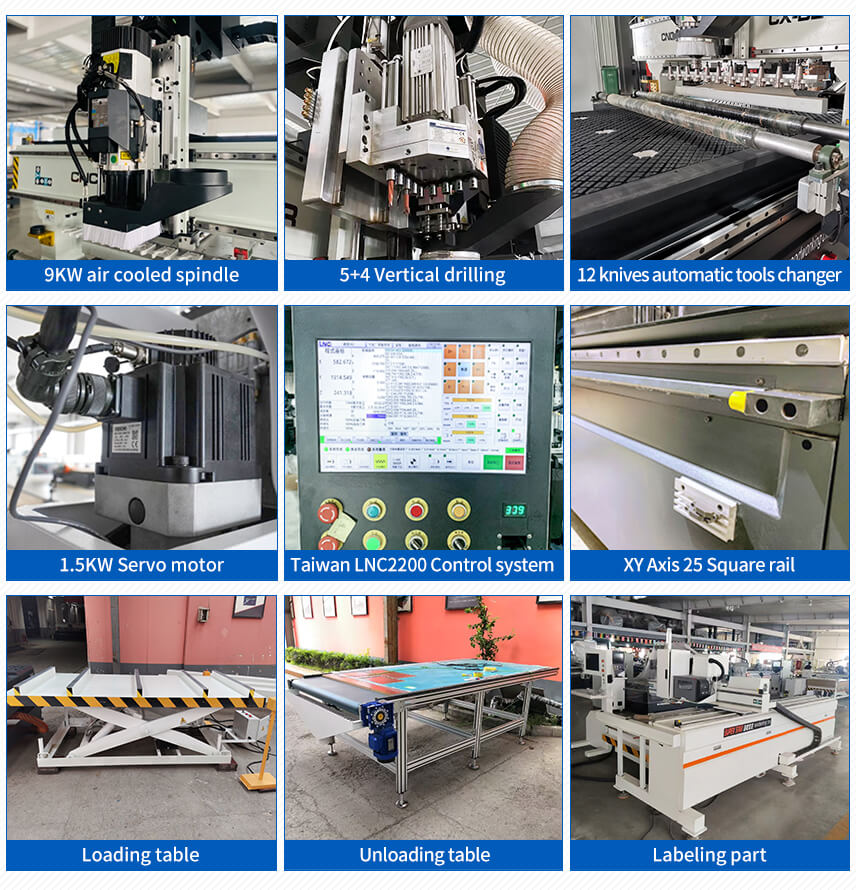
Operating a CNC router can be an exciting and rewarding experience, but it also comes with inherent risks. Ensuring the safety of yourself and your team should always be a top priority in any woodworking shop. By following essential safety guidelines, you can create a safer working environment and minimize the risk of accidents.
In this article, we will cover crucial safety tips for operating CNC routers, including best practices, personal protective equipment (PPE), and general safety measures. By implementing these guidelines, you can ensure a safer experience while maximizing productivity and efficiency.
Before operating a CNC router, it is essential to have a thorough understanding of the machine and its components.
1.1. Read the Manual
Always read the manufacturer's manual before using the CNC router.
Familiarize yourself with the machine's features, controls, and safety mechanisms.
1.2. Learn the Controls
Understand the control panel and how to operate the machine safely.
Practice using the controls in a safe environment before starting production.
1.3. Know the Emergency Procedures
Identify the location of emergency stop buttons and safety switches.
Ensure all operators know how to shut down the machine quickly in case of an emergency.
2. Use Personal Protective Equipment (PPE)
Wearing the appropriate PPE is crucial for protecting yourself while operating a CNC router.
2.1. Safety Glasses
Always wear safety glasses to protect your eyes from flying debris and dust.
2.2. Hearing Protection
Use earplugs or earmuffs to protect your hearing from loud machinery noise.
2.3. Dust Masks
Wear a dust mask or respirator to prevent inhalation of harmful dust particles generated during cutting and machining.
2.4. Gloves
Wear cut-resistant gloves when handling sharp tools or materials, but avoid wearing loose gloves that can get caught in the machine.
2.5. Appropriate Clothing
Avoid loose-fitting clothing, jewelry, or long hair that can become entangled in moving parts.
Wear sturdy, non-slip footwear to prevent slips and falls.
3. Maintain a Clean Work Environment
Keeping your workspace organized and clean is essential for safety.
3.1. Clear Work Area
Ensure the area around the CNC router is free from clutter, tools, and other hazards.
Keep all materials and tools organized to prevent accidents.
3.2. Proper Waste Disposal
Dispose of wood shavings, dust, and other waste materials properly to prevent slips and fire hazards.
Use designated containers for waste disposal.
3.3. Regular Cleaning
Clean the machine and surrounding area regularly to prevent the accumulation of dust and debris.
Maintain the vacuum system to ensure effective dust collection.
4. Follow Safe Operating Procedures
Adhering to safe operating procedures is essential for preventing accidents.
4.1. Pre-Operation Checks
Inspect the machine for any signs of wear, damage, or loose components before starting.
Ensure that all safety guards and shields are in place and functioning.
4.2. Secure Workpieces
Always secure workpieces properly before starting the machine.
Use clamps or fixtures to hold materials in place and prevent movement during cutting.
4.3. Use the Correct Tools
Ensure that the appropriate cutting tools are used for the specific materials being processed.
Regularly inspect and replace dull or damaged bits to maintain cutting quality and safety.
4.4. Monitor the Operation
Keep an eye on the machine while it is running to detect any unusual noises or issues.
Be prepared to stop the machine immediately if something seems wrong.
5. Train Operators
Proper training is essential for ensuring safe operation.
5.1. Provide Comprehensive Training
Ensure that all operators receive thorough training on machine operation, safety procedures, and emergency protocols.
Include hands-on training to familiarize operators with the machine.
5.2. Encourage Open Communication
Foster an environment where operators feel comfortable discussing safety concerns and asking questions.
Regularly review safety procedures and encourage feedback to improve safety practices.
5.3. Conduct Safety Refreshers
Hold periodic safety refresher courses to remind operators of best practices and update them on any changes in procedures or equipment.
6. Conclusion
Safety should always be a top priority when operating a CNC router. By following these essential safety guidelines, you can create a safer working environment and reduce the risk of accidents in your woodworking shop.
Understanding the machine, using proper personal protective equipment (PPE), maintaining a clean workspace, following safe operating procedures, and providing comprehensive training are all critical components of a successful safety program.