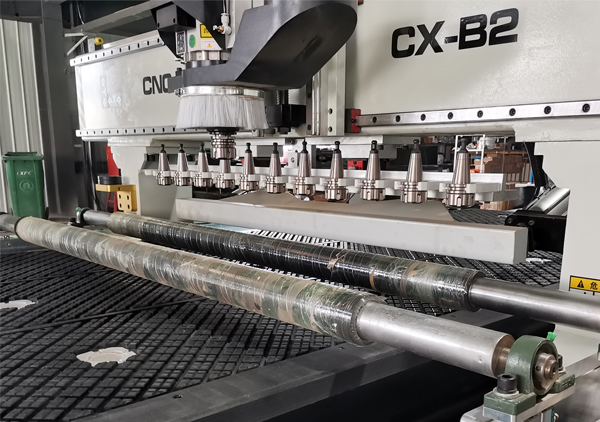
Congratulations on upgrading to an ATC (Automatic Tool Changer) CNC Router. You have moved from a standard workshop tool to a high-efficiency production center. However, with great power comes greater complexity.
Unlike manual machines, an ATC router relies on a complex interplay of pneumatics, sensors, and precision mechanics to swap tools automatically. A small speck of dust in the wrong place can halt production.
Whether you are a new owner or training new staff, this guide covers the essential operational steps and maintenance routines to keep the machines from our ATC CNC Router Series running at peak performance for years.
Step-by-Step: Operating Your ATC CNC Router
Operating an ATC machine is less about physical labor and more about process management. Here is the standard workflow.
1. Pre-Start Checks
Before turning on the power, check the air pressure. ATC systems are pneumatic. They need consistent air pressure (usually 6-8 bar) to release and clamp tools. If the pressure is too low, the spindle may not release the tool, causing a "drawbar error."
2. Loading the Tool Magazine
Insert Tools: Place your ISO30 or BT30 tool holders into the magazine clips (Linear or Carousel).
Safety Check: Ensure the collet nuts are tightened to the correct torque. A loose bit at 18,000 RPM is dangerous.
Assign Numbers: In your control software (e.g., Syntec), ensure the physical tool in "Slot 1" matches "Tool 1" in your software database.
3. Tool Length Calibration (Z-Zero)
You don't need to zero every tool manually.
Run the "Auto Tool Zero" function. The machine will pick up each tool, touch it to the fixed tool sensor, and record the length offset automatically. This ensures that a long drill bit and a short engraving bit both cut to the exact same depth.
4. Running the Program
Load your G-code file. Always do a "Dry Run" (running the program in the air) for the first time to ensure the tool change logic is correct and the machine doesn't hit any clamps.
Maintenance: The Key to Longevity
An ATC router has more moving parts than a standard machine. Regular maintenance is non-negotiable.
Daily Maintenance (The 5-Minute Rule)
Clean the Tool Tapers: This is the #1 rule. Wipe the conical surface of the ISO30 tool holders and the inside of the spindle shaft with a clean, lint-free cloth. Even a layer of sawdust can affect precision or cause the tool to stick.
Check Air Filters: Ensure the compressed air entering the machine is dry. Moisture in the air lines can rust the internal spindle mechanism.
Warm Up: Before heavy cutting, run the spindle at low RPM (6,000-9,000) for 5-10 minutes to warm up the bearings.
Weekly Maintenance
Grease the Rails: Lubricate the linear guide rails and ball screws. Most of our ATC CNC Routers feature automatic oiling systems—just ensure the oil reservoir is full.
Clean the Tool Magazine: Blow out dust from the tool changer clips/forks. If the sensors are covered in dust, the machine might think a slot is empty when it is full.
Vacuum Pump Filter: Check the filter on your vacuum pump. A clogged filter reduces hold-down power, leading to shifted parts.
Troubleshooting Common Issues
Even with the best care, issues can arise. Here are quick fixes for common ATC problems.
Problem: The spindle won't release the tool.
Cause: Low air pressure or a stuck drawbar.
Solution: Check your air compressor. Ensure it is delivering at least 90 PSI (6 Bar).
Problem: "Tool Change Error" alarm.
Cause: The machine position is slightly off, or a sensor is dirty.
Solution: Clean the sensors on the tool magazine. If the problem persists, recalibrate the "Tool Change Position" in the controller settings.
Problem: Poor cut quality or vibration.
Cause: Worn collet or dirty tool holder.
Solution: Replace the collet (they are consumables!) and clean the tool taper.
Conclusion
Mastering an ATC CNC Router takes time, but the reward is a massive boost in productivity. By following a strict maintenance schedule, you protect your investment and ensure every project comes off the bed perfectly.
If you are looking for a machine that is built for reliability and ease of maintenance, explore the robust engineering of our ATC CNC Router Product List.
FAQ: Frequently Asked Questions
Q1: How often should I replace the collets?
A: Collets lose elasticity over time. For a production shop, we recommend replacing them every 3-6 months or immediately if you notice increased vibration or tool slippage.
Q2: Can I use WD-40 to clean the tool holders?
A: Yes, WD-40 is good for cleaning rust and resin, but wipe it off completely. Do not leave a wet oily film, as it can attract dust. Use a specialized "Dry Lubricant" for the rails.
Q3: What happens if the power goes out during a tool change?
A: The machine might stop with the tool half-clamped. Do not force it. Restart the machine and use the manual "Spindle Clamp/Unclamp" button to safely remove the tool, then reset the carousel alignment.
Q4: Why is dry air so important for ATC machines?
A: The tool release mechanism inside the spindle uses pneumatic pistons. Water in the air causes these pistons to corrode and stick, leading to expensive spindle repairs. Always use an air dryer or water separator.